Structured intake
One form for the counter or the customer portal, with the fields your techs actually need.
Industry
We build custom CRMs for repair shops across Fraser Valley and Metro Vancouver. Intake forms, job tickets, technician notes, quote approvals, and automatic status updates for customers, all in one tool.
Why this hurts
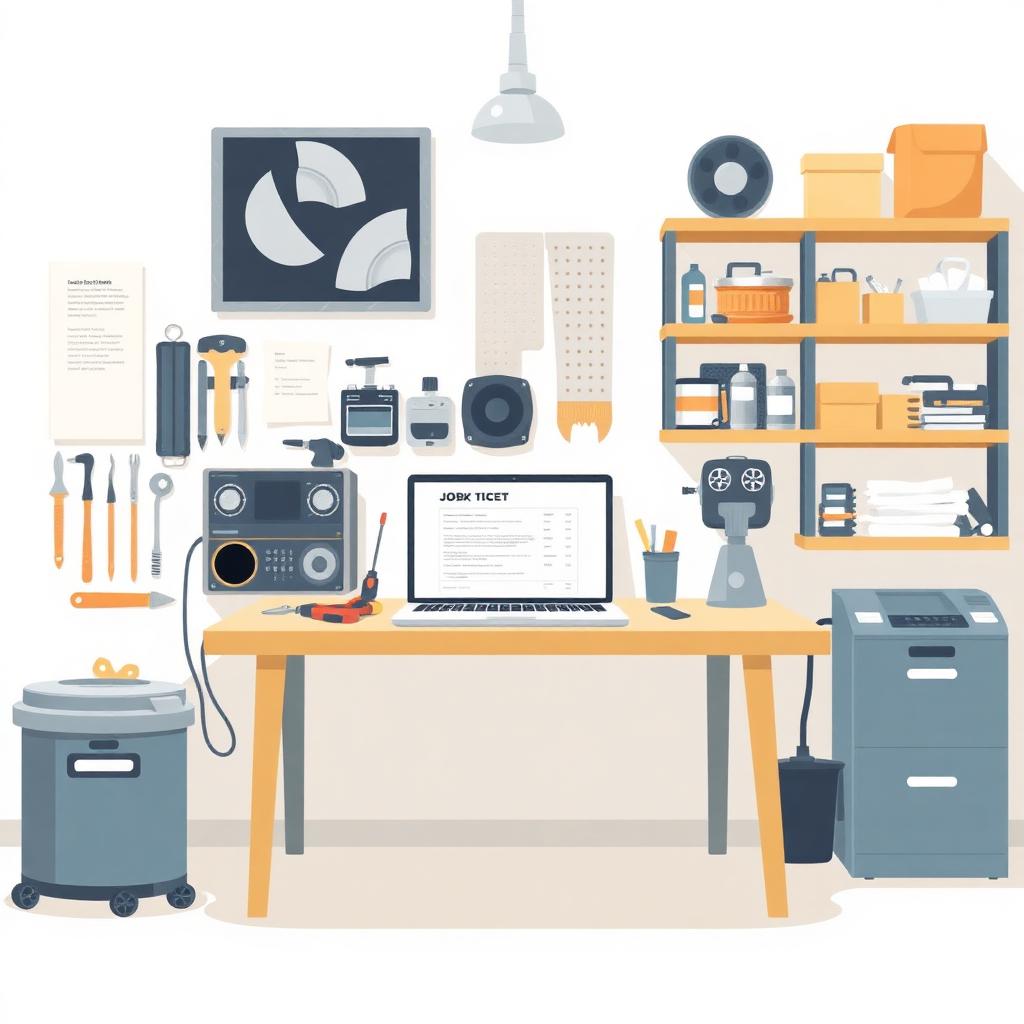
Repair shops live on the intake counter. Every job needs a clean handoff from the customer to the tech, with symptoms, photos, and history. When intake lives on paper or in a shared inbox, techs re-ask the customer, quotes get lost, and 'any update?' calls eat the front counter's day. Repair shop management software built around your intake stops that.
Common workflows
One form for the counter or the customer portal, with the fields your techs actually need.
Every job carries the symptoms, photos, parts needed, and a running thread the techs share.
Techs quote from the job. Customers approve in one click. No more email chains.
'Received', 'in progress', 'ready for pickup'. Text or email, automatic.
Photos of the item, the fault, and the completed work, saved to the job with no extra steps.
Jobs in each stage, average turnaround, and stuck jobs. On one screen.
Generic tools
What we'd build
FAQ
Sometimes. If the POS is only for payments, the CRM sits alongside it. If the POS is also the job tracker, the CRM usually replaces that part.
For a repair shop, yes. 'Is my thing ready?' is the top question you get, and a portal answers it before the phone rings.
Yes. Most shops start with intake plus job tickets, add the portal next, and layer in reports and automations from there.
Other industries
Tell us what's slowing you down. We'll give you a straight answer about whether a custom CRM makes sense, and roughly what it would take.