Example builds
Project shapes we would take on.
Concrete examples of custom CRMs we would build for BC service businesses. Each one describes the business, the problems, and what the CRM would include.
Example builds, not client work. We don't publish case studies until a real client gives us permission and real numbers.
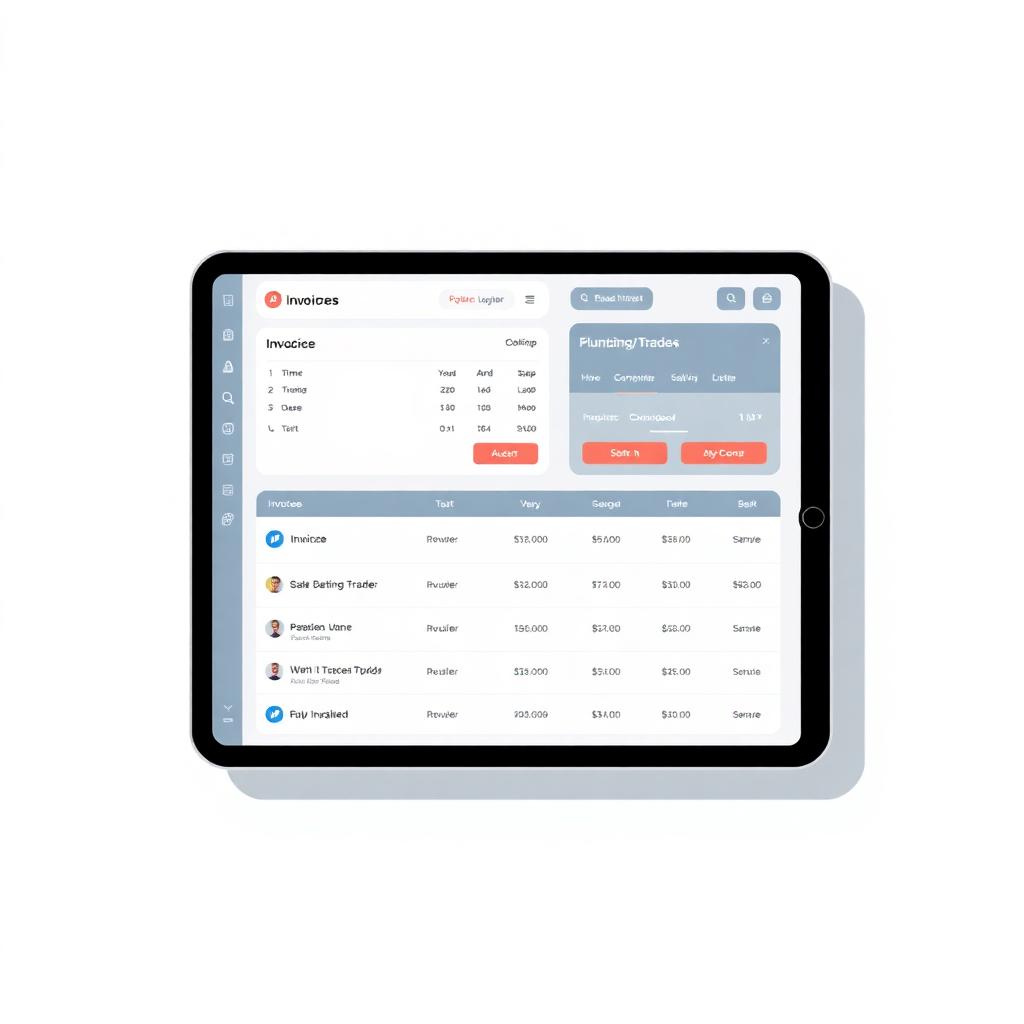
Trades and contractors
Example build: custom CRM for a small trades company
Trades company scenario, Fraser Valley BC
A small plumbing and heating company where per-user pricing on their current SaaS grows every quarter. This is the shape of custom CRM we would build for them: intake, dispatch, quotes, deposits, invoices, and an owner's dashboard on a phone.
See the example build
Appliance repair
Example build: booking, dispatch, and parts CRM for an appliance repair shop
Appliance repair company scenario, Metro Vancouver
A small appliance repair company running on a shared calendar, a parts spreadsheet, and a group text with the techs. This is the custom CRM we would build for them: booking, dispatch, job tickets with model and serial, parts tracking, and automatic customer status updates.
See the example build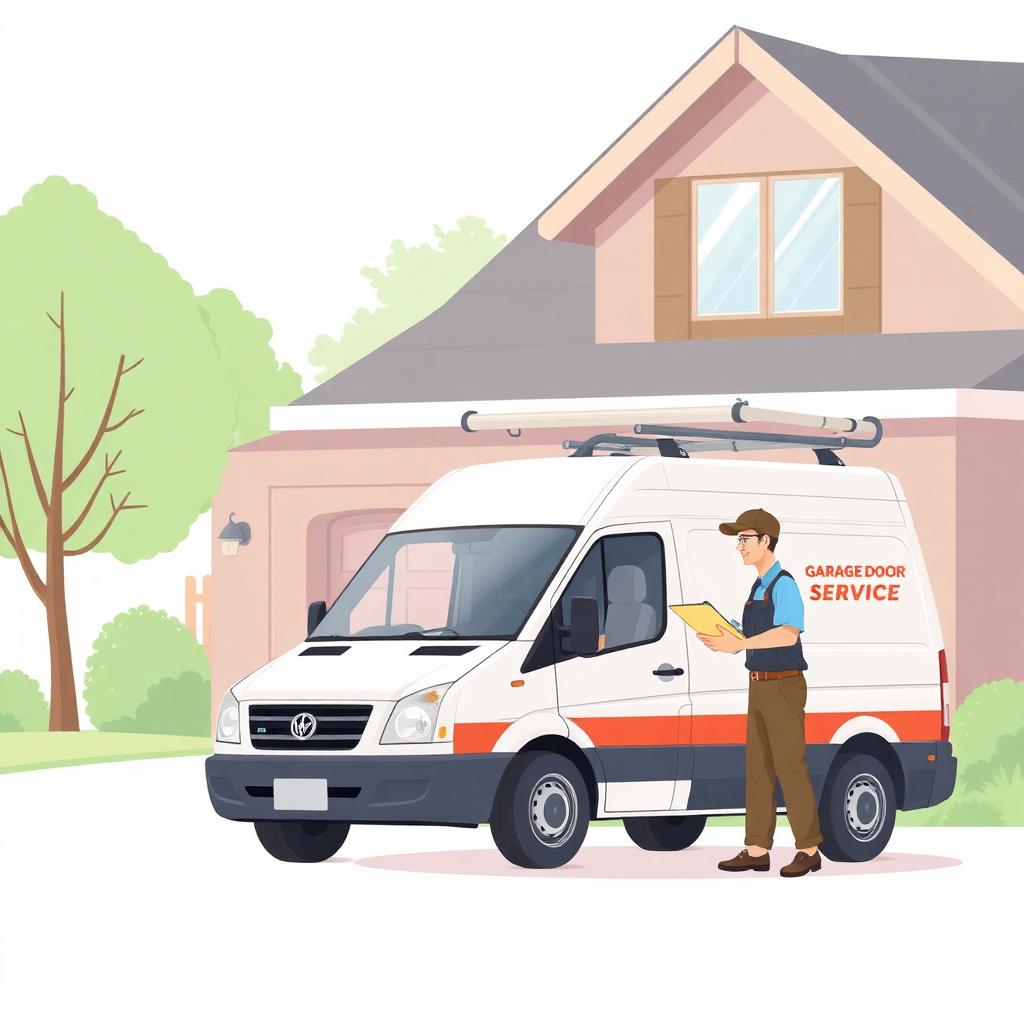
Garage door companies
Example build: repair and install CRM for a garage door company
Garage door company scenario, Fraser Valley BC
A garage door company with two workflows fighting each other in one tool: fast repair jobs and slower install quotes. This is the custom CRM we would build for them: both lanes properly, with quote follow-ups that go out on their own.
See the example build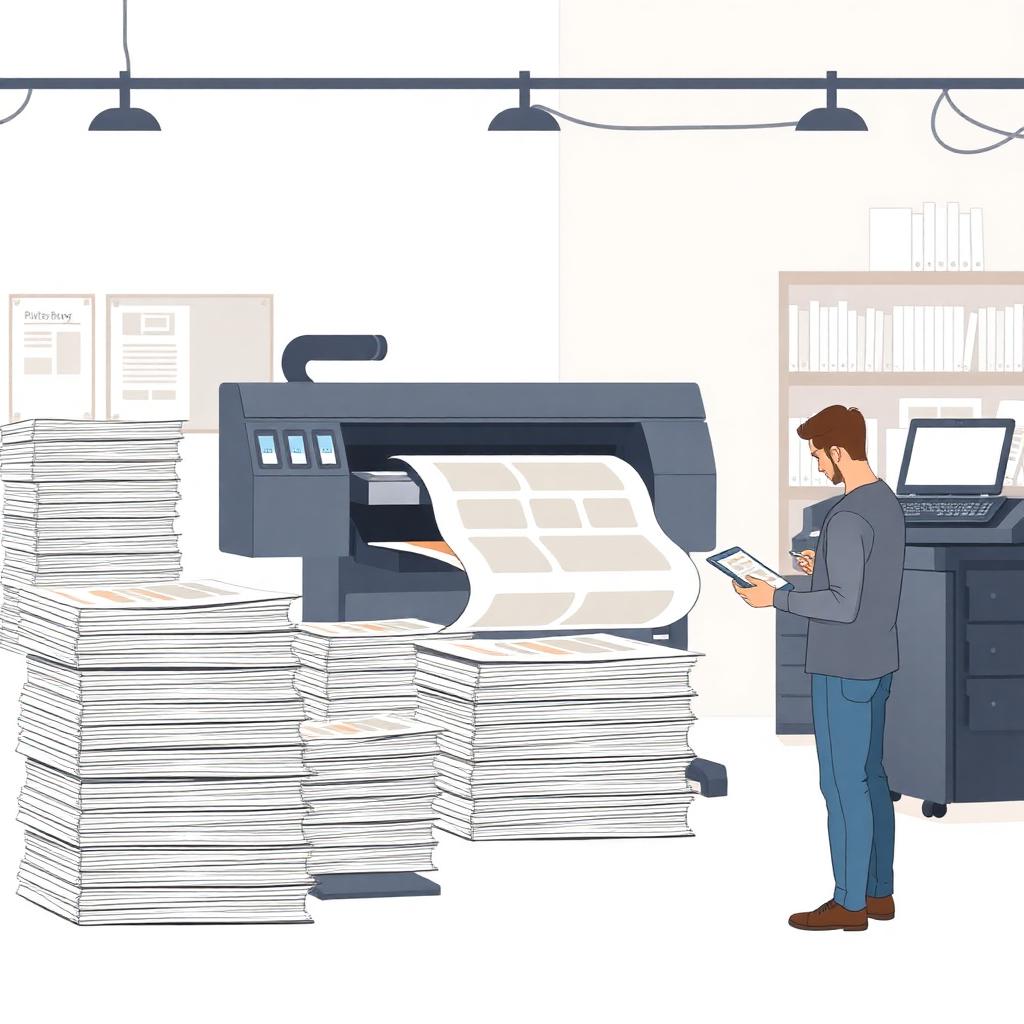
Print shops
Example build: proofs and reorders CRM for a print shop
Print shop scenario, Metro Vancouver
A print shop losing time on proof rounds and reorder quotes. This is the custom CRM we would build for them: a proof approval flow, a job status board, and a reorder tool that pulls specs from the last job.
See the example build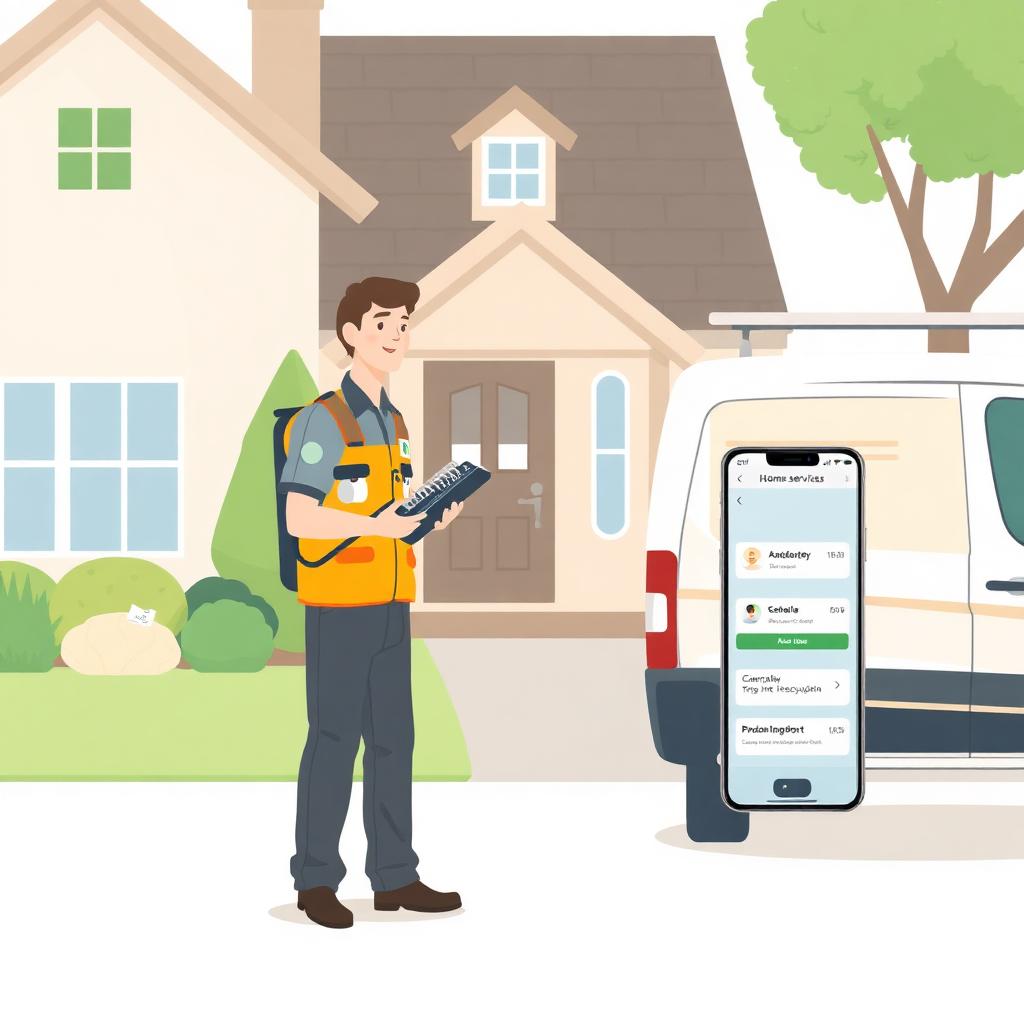
Home services
Example build: recurring visits and route CRM for a home services company
Home services company scenario, Metro Vancouver
A cleaning and maintenance company where a generic booking tool falls apart on recurring visits and crew routing. This is the custom CRM we would build for them: the weekly schedule, routes, and customer notifications, all handled on their own.
See the example buildHave a project that looks like one of these?
Tell us what you're trying to fix. We'll come back with an honest answer about whether a custom CRM makes sense, and roughly what it would take.