How a simple CRM can help a local service business
Most local service businesses don't lose customers because their work is bad. They lose customers because nobody followed up. A simple CRM fixes that.
Plumbers, electricians, cleaners, landscapers, repair shops, print shops, garage door companies, businesses that win work job by job and depend on relationships. The pattern we see again and again is the same: great work, weak follow-up.
A quote goes out by email. The customer says they'll think about it. A week passes. Then two. Nobody picks up the phone because nobody is sure where things stand. The lead quietly dies.
A simple CRM exists to make that scenario impossible. Not a big enterprise platform. Not a 200-field database. A focused tool with a handful of screens.
What 'simple' actually means
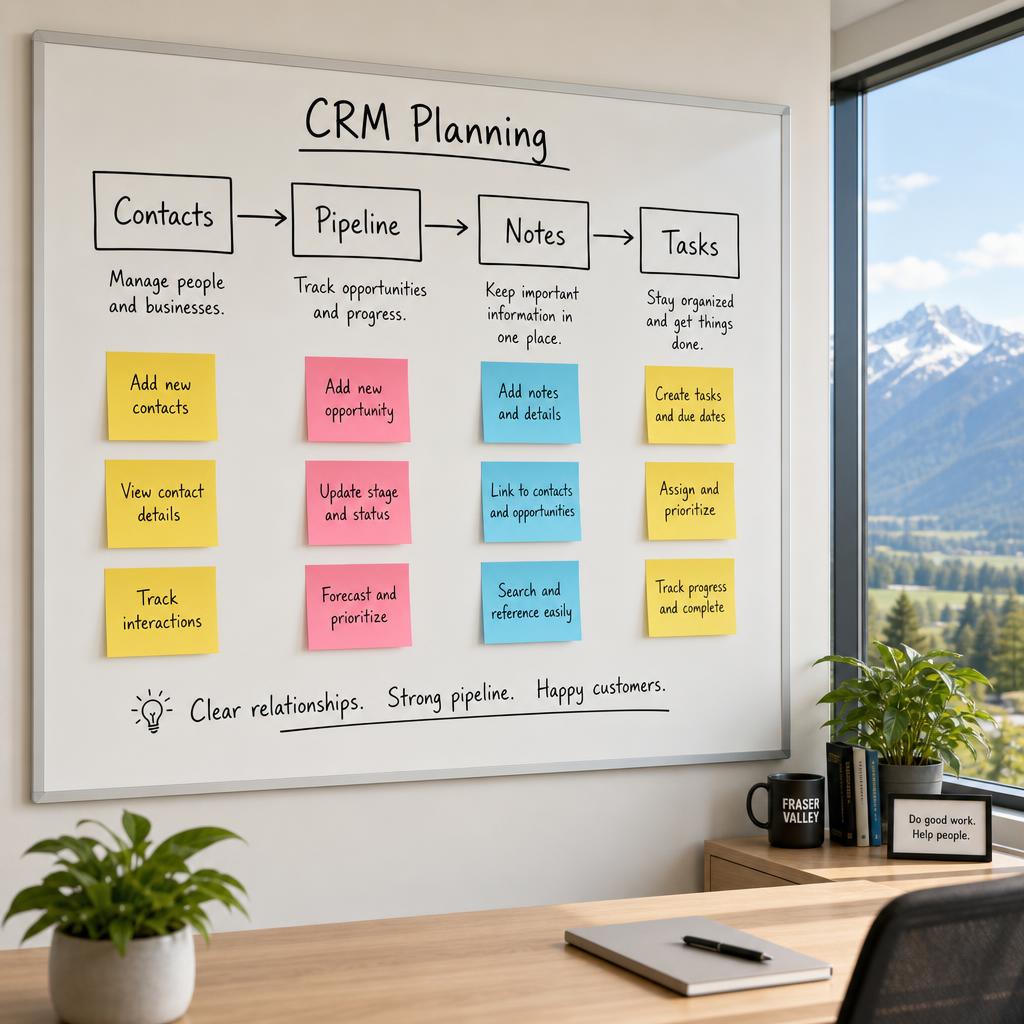
A useful CRM for a local service business usually has just a few moving parts:
- A list of customers and leads, searchable in one place
- A status for each one (new, quoted, booked, won, lost, follow-up needed)
- A 'next action' field with a date, so the system can surface what's overdue
- Notes and history so anyone on the team can pick up the thread
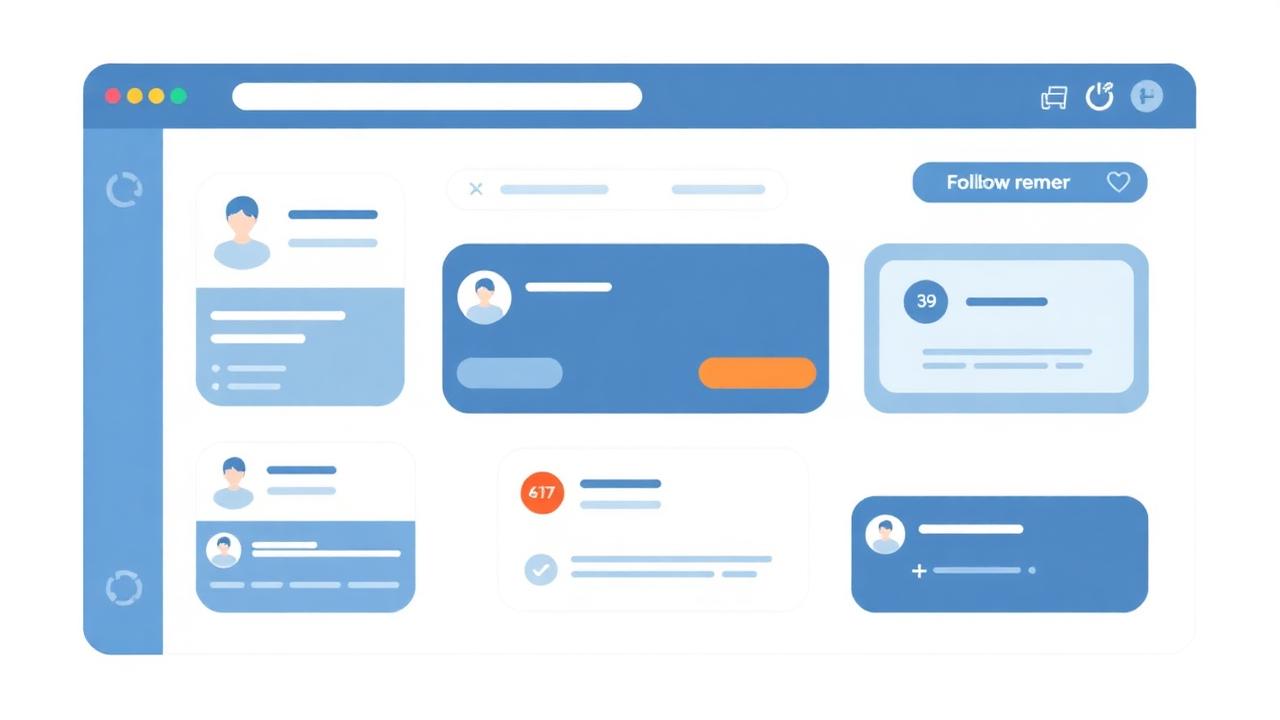
- A clean dashboard showing what needs attention this week
That's it. No long custom field configurations. No automation rules nobody understands. No marketing layer the team will never use.
What changes once it's in place
Follow-ups actually happen
When the dashboard says 'three quotes are overdue for follow-up,' someone follows up. The cost of one closed quote per month usually pays for the entire tool.
The team shares one source of truth
No more 'did anyone call this person?' Anyone on the team can open a customer record and see the full story.
The owner gets visibility without nagging
A glance at the dashboard answers 'how's the pipeline looking?' without status meetings.
Onboarding a new staff member gets dramatically easier
The workflow lives in the tool, not in someone's head. New people learn by using it.
What to build first
If you're starting from scratch, the smallest viable version is: customer list, status, next action, notes, and a single dashboard view of what's due this week. Get that into real use for a month before adding anything else. Most businesses discover that the simple version covers 80% of what they actually needed.