How we evaluate your operations before building a CRM
Most failed CRMs aren't bad software. They're good software built on top of a workflow nobody bothered to write down. Here's the discovery work we do first.
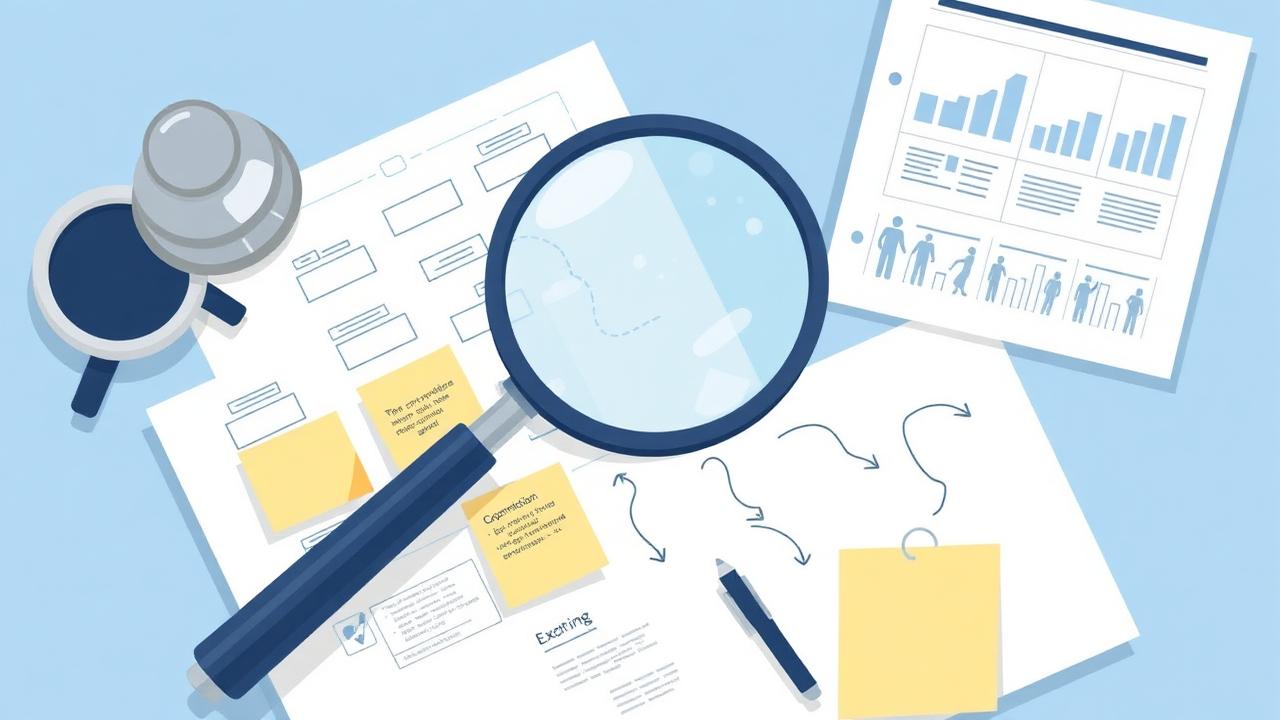
Every CRM project we take on starts the same way: not with screens, not with a database design, not with a feature list. It starts with two to three weeks of sitting with your team and watching the business actually run. We call it operations discovery, and it's the single biggest reason the CRMs we build get used instead of quietly abandoned six months later.
Most failed CRMs aren't bad software. They're good software built on top of a workflow that nobody ever bothered to write down. The result is a tool that almost fits, which is worse than no tool at all - staff work around it, data goes stale, and the owner ends up back in spreadsheets within a year.
What operations discovery actually means
We're not asking what you want the CRM to do. We're documenting what the business already does - every step, every handoff, every decision, every exception. The CRM we build then matches that flow exactly, instead of forcing your team to learn a new one.
1. Shadow the people doing the work
We sit with intake, with sales, with the operations lead, and with whoever closes the loop at the end. Not in a meeting room - at their desk, watching them do real work on real customers. Half the workflow lives in habits nobody thinks to mention in an interview.
2. Map every handoff
A lead comes in. Who sees it first? What do they decide? Who do they pass it to, and how? What gets written down, and where? We draw the actual flow on paper - usually a long, messy diagram with branches the owner didn't know existed. That diagram becomes the spec.
3. Catalog the real data
Every field on every form, every column in every spreadsheet, every status someone tracks in their head. We pull it all into one list, then ask which ones are actually used to make decisions. Usually about 40% of the fields a business 'tracks' are dead weight. They don't make it into the new CRM.
4. Find the exceptions
The standard flow is easy. The reason CRMs fail is the exceptions - the VIP client who skips the intake form, the job type that needs a second approval, the partner referral that bypasses sales. We list every one we can find and decide, with you, whether the CRM handles it, flags it, or stays out of the way.
5. Identify the real metrics
What does the owner actually look at on Monday morning? What does the operations lead need by Friday? Those reports drive what the database has to capture. Building the database first and then trying to extract reports from it is backwards, and it's how most CRMs end up with a 'reports' tab nobody opens.
What you get at the end of discovery
- A written workflow document - every step, owner, handoff, and exception.
- A data model - exactly what gets tracked, why, and who uses it.
- A list of the reports and dashboards the CRM has to produce on day one.
- A short list of things we deliberately decided NOT to build, with the reasoning.
- A fixed-price build quote based on what we actually saw, not what we guessed.
You can take that package and hand it to any developer in the world. We hope you'll let us build it, but you own the discovery either way. That's the deal.
Why we do it this way
Because the CRM that matches your operations exactly is the only one your team will actually use. A near-miss CRM - one that's close but forces staff to adapt - gets bypassed within weeks. The 'CRM' becomes a shared inbox again, and the build was wasted.
Spending two to three weeks watching how the business actually runs is the cheapest insurance there is against that outcome. It's also why we won't quote a CRM build without doing it first. Anyone who gives you a fixed price for a custom CRM after a 30-minute call is guessing, and you'll pay for the guess later.
The bottom line
A custom CRM is only worth building if it matches exactly what your company already does well. The way you find out what that is, in enough detail to build against, is by watching - carefully, on site, for as long as it takes. That's the work that happens before the work.